Maintaining a commercial property's landscape goes beyond mere aesthetics; it reflects the professionalism of the business and can significantly influence customer perceptions. Whether you manage a bustling retail center, an office complex, or an industrial site, investing in a robust landscape maintenance program is essential. This article explores various aspects of commercial landscape maintenance programs, focusing on their importance, components, and how to select the right services to meet your needs.
The Importance of Landscape Maintenance for Commercial Properties
A well-maintained landscape serves multiple purposes. First, it enhances curb appeal, which can attract customers and clients. Studies show that businesses with appealing outdoor spaces see higher foot traffic. An attractive environment can create a welcoming atmosphere, leading to increased customer satisfaction and potentially higher sales.
Additionally, regular landscape maintenance contributes to environmental sustainability. Healthy plants and lawns improve air quality while providing habitats for local wildlife. Furthermore, well-maintained landscapes can reduce stormwater runoff and prevent soil erosion, contributing positively to local ecosystems.
Lastly, routine maintenance protects your investment. Over time, neglecting landscape care can result in costly repairs or reinstallation of plants and hardscapes. Thus, a proactive approach through ongoing landscape care programs ensures that your property remains vibrant and functional year-round.
Components of Effective Landscape Maintenance Programs
Commercial landscape maintenance involves several key elements that must be tailored to fit the specific needs of each property:
1. Routine Grounds Maintenance
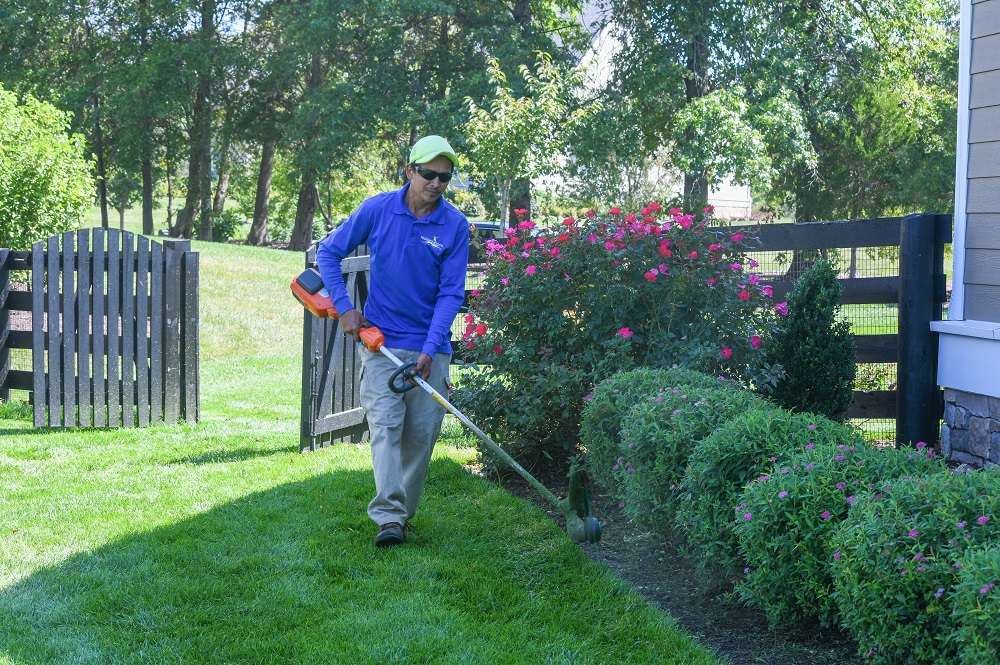
Routine grounds maintenance encompasses regular tasks such as mowing, trimming, weeding, and debris removal. These activities should be scheduled weekly or bi-weekly depending on the season and growth patterns. For example, during spring and summer months when plant growth is at its peak, more frequent visits may be necessary to keep landscapes looking pristine.
2. Plant Health Care
Plant health care focuses on maintaining the health of trees, shrubs, flowers, and lawns through appropriate irrigation practices, fertilization schedules, pest management strategies, and disease control measures. A comprehensive plant health care program should include soil testing to determine nutrient levels and amend deficiencies accordingly.
3. Seasonal Clean-Up
Seasonal clean-up is crucial for preparing landscapes for changing weather conditions. This includes raking leaves in fall or removing snow in winter months to avoid damage to plants beneath heavy snow accumulation. Preparing landscapes for seasonal transitions ensures that they remain healthy through varying conditions.
4. Hardscape Maintenance
Hardscape elements like patios, walkways, retaining walls, and fountains require periodic upkeep as well. Regular inspections should be carried out to identify any cracks or damage that may need repair before they worsen over time.
5. Irrigation Management
Effective irrigation management is vital for sustaining healthy landscapes while conserving water resources. Automated irrigation systems should be regularly checked for efficiency—ensuring they are functioning correctly without wasting water on sidewalks or driveways.
Choosing the Right Landscape Maintenance Services
Selecting the best landscape maintenance service provider can seem daunting given the myriad options available in the market today. Here are some key considerations:
- Experience: Look for companies with a proven track record in managing commercial properties similar to yours. Customization: Choose providers offering customized maintenance programs tailored specifically according to your needs. Reputation: Research client testimonials online or request references from previous clients. Licensing & Insurance: Ensure that potential providers have proper licenses and insurance coverage—this protects both parties in case of accidents or damages during service. Sustainability Practices: Inquire about eco-friendly methods employed by prospective companies; sustainability is increasingly important in today's business climate.
Types of Commercial Landscape Maintenance Programs
Different types of maintenance programs cater to various business needs based on budget constraints or business-oriented landscape maintenance specific requirements:
Recurring Landscape Maintenance Plans
Recurring plans typically involve monthly contracts where services are scheduled consistently across different seasons—these often cover all aspects needed throughout the year without requiring additional agreements each time something arises unexpectedly.
Full-Service Landscape Maintenance Agreements
Full-service agreements provide comprehensive packages covering everything from design consultation through installation down into ongoing care management—ideal for larger organizations seeking streamlined solutions while eliminating stressors associated with hiring multiple vendors separately.
Annual Plans
Annual plans generally encompass a complete set of services over one year at a fixed rate—these allow businesses better budgeting capabilities since costs remain predictable throughout their duration.
Long-Term Considerations
It is important not only to establish effective routine practices but also work towards long-term goals within your landscaping strategy—this involves setting benchmarks related directly back towards enhancing aesthetic appeal alongside ecological benefits derived from healthy ecosystems flourishing around them over time.
For example:
- Establishing native species gardens helps maintain biodiversity while reducing water consumption. Implementing xeriscaping techniques minimizes reliance upon irrigation systems during drought periods further conserving valuable resources economically too.
The implementation phase can certainly prove challenging; however investing time upfront will yield significant returns later down road paving way towards sustainable success stories emerging from diligent efforts made today!
Conclusion
Investing in commercial landscape maintenance programs represents not just an expense but rather an opportunity—a chance to enhance both property value alongside community pride experienced by surrounding neighborhoods benefiting from lush greenery integrated harmoniously into daily life! By understanding key components involved along with various options available tailored uniquely towards individual needs; businesses stand poised ready take advantage opportunities lie ahead ensuring their landscapes thrive flourish beautifully serving dual purpose attracting clients customers alike enjoying nature's beauty every day!